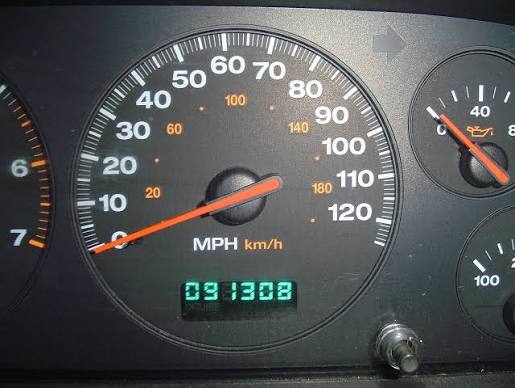
The Mileage Question Almost Every Buyer Asks
Walk onto any used car lot in Greenville, NC and within the first five minutes someone will ask about mileage. It’s one of the most common questions in the used truck business — and it’s also one of the most misunderstood.
The truth is, there is no magic number. “150,000 miles” doesn’t automatically mean a truck is worn out, and “80,000 miles” doesn’t guarantee you’re buying something problem-free. What actually matters is how those miles were put on, what kind of engine is under the hood, and how well the previous owner took care of it.
At Bells Fork Truck & Auto in Greenville, NC, we’ve helped buyers across Eastern North Carolina navigate this exact question. Here’s what we tell them.
Gas vs. Diesel: Mileage Means Something Different
The engine type is the first thing to consider when you’re evaluating mileage on a used truck.
Gas-powered pickups — your typical V8 Ford F-150, Chevy Silverado 1500, or Ram 1500 — are solid workhorses, but they tend to reach the end of their useful life somewhere in the 150,000–200,000 mile range under normal conditions. A well-maintained gas truck with 130,000 miles can still have years of reliable service left. The same truck poorly maintained at 90,000 miles might be a problem waiting to happen.
Diesel trucks are a different animal entirely. A Cummins, Duramax, or Power Stroke engine is built for the long haul — literally. With proper maintenance, diesel pickups routinely run 300,000–400,000 miles or more. A diesel truck with 180,000 miles is often considered mid-life, not end-of-life. That’s why high-mileage diesel trucks still command strong prices and are actively sought by contractors, farmers, and serious haulers across Pitt County and the surrounding area.
Bottom line: don’t judge a diesel and a gas truck by the same mileage standard.
What the Mileage Sweet Spot Looks Like for Eastern NC Buyers
If you’re looking for the best value in a used truck around Greenville, here’s a general framework that holds up in this market:
- Gas trucks under 120,000 miles: strong value zone, plenty of life left if maintained
- Gas trucks 120,000–180,000 miles: still viable, but look closely at maintenance and upcoming service items
- Diesel trucks under 200,000 miles: often excellent buys — especially with a service history
- Diesel trucks 200,000–300,000 miles: can still be solid, but due diligence is critical
These are guidelines, not hard rules. A truck’s real condition always matters more than where it falls on this scale.
Maintenance History Matters More Than Miles
The most important question you can ask about a used truck isn’t “how many miles” — it’s “what was done to it?”
A truck with 160,000 miles and consistent oil changes, documented services, and no history of neglect will outlast a 90,000-mile truck that was run hard and maintained poorly. Look for:
- Regular oil change intervals (every 5,000–7,500 miles for gas, every 7,500–10,000 for diesel)
- Documented transmission service, coolant flushes, and fuel filter changes
- No signs of ignored warning lights or deferred maintenance
- Clean Carfax or AutoCheck report with no major accident history
Highway miles vs. city miles also play a role. A truck that spent most of its life on US-264 or I-95 running highway miles has generally experienced less wear than the same mileage accumulated in stop-and-go traffic.
Red Flags on High-Mileage Trucks
No matter what the odometer reads, these are signs worth paying attention to before you buy:
- Excessive smoke on startup (blue = oil burning, white = coolant issue, black = fuel/injector problem)
- Transmission hesitation, hard shifts, or slipping
- Rust under the frame or at suspension mounting points
- Coolant that looks rusty or oil that looks milky (potential head gasket or EGR issues)
- Odometer rollback indicators on the Carfax or title history
Eastern NC trucks can also carry hidden wear from towing — common in farming and construction communities across Pitt, Greene, and Lenoir counties. If a truck’s been pulling a trailer regularly, factor that into how you read the mileage.
Why You Shouldn’t Shop by Mileage Alone
Here’s the real-world picture: a buyer who filters their used truck search to “under 100,000 miles” will often pay a premium for the number while missing better trucks at 140,000 or 160,000 miles that have more life left because they were taken care of.
Price is typically the best signal. If a truck with 175,000 miles is priced significantly lower than comparable trucks at 110,000, ask why — and look carefully. But if it’s priced reasonably with a clean service history and passes a basic inspection, it may represent more value than a lower-mileage truck that’s been neglected.
Every Truck on Our Lot Is Inspected Before It’s Sold
At Bells Fork Truck & Auto, located at 3840 Charles Blvd in Greenville, NC, every vehicle goes through a multi-point mechanical inspection before it’s offered for sale. We don’t put trucks on the lot that we wouldn’t sell to someone in our own family.
We also keep a straightforward inventory across a range of mileage and price points — because we know that the right truck for a Pitt County contractor looks different than the right truck for a Greenville commuter or a family in Winterville.
Have questions about a specific truck on our lot? Want to understand what the mileage means for a vehicle you’re considering? Come see us. We’ll walk you through it honestly.
Browse our current inventory at BellsForkTruckAndAuto.com, or stop by the lot at 3840 Charles Blvd, Greenville, NC. No pressure — just straight answers from a local dealer that knows Eastern NC.