The Title Is the Part Nobody Reads Until It’s Too Late
Used vehicle shopping in Eastern NC tends to focus on the obvious stuff — the mileage, the condition, the price, whether the AC works in July. The title is an afterthought for a lot of buyers. Until it isn’t.
A vehicle’s title tells the story of everything that’s happened to it legally and structurally. And in North Carolina, certain events — major accidents, flood damage, theft recovery, hail events — trigger a permanent brand on that title that follows the vehicle forever, no matter how many times it changes hands.
Understanding what those brands mean before you buy is one of the most important things a used vehicle buyer can do. Here’s the full breakdown.
What a Clean Title Actually Means
A “clean title” simply means the vehicle has no government-assigned brand on its record. It has not been declared a total loss by an insurance company, has no flood or fire history logged with the state, and has no lien or legal hold that would complicate ownership transfer.
Clean title does not mean the vehicle has never been in an accident. A vehicle can have been repaired after a moderate collision and still carry a clean title if the insurance company never declared it a total loss. This is why a Carfax or AutoCheck report — which shows accident history, repair records, and airbag deployments — matters even on clean-title vehicles.
⚠️ NC Buyer Note: In North Carolina, a clean title means no state-issued brand. It does not guarantee zero accident history. Always pair a clean title with a full vehicle history report.
What a Salvage Title Means in North Carolina
In NC, a vehicle receives a salvage title when an insurance company declares it a total loss — meaning the cost to repair the vehicle exceeds a percentage of its pre-damage market value. The NC DMV then brands the title as “Salvage,” and that brand is permanent.
A salvage title vehicle cannot legally be driven on NC roads. It is not eligible for registration or license plates in its salvage state. It exists in legal limbo — it can be bought and sold, but it cannot be driven until it is professionally repaired and re-inspected.
Salvage titles in NC are triggered by:
- Major collision damage where repair cost exceeds the insurance threshold
- Flood damage (sometimes called a “water damage” brand)
- Fire damage
- Hail damage severe enough for a total-loss declaration
- Theft recovery where the vehicle was stripped or damaged before recovery
Rebuilt Title: What It Means When a Salvage Vehicle Gets Repaired
If a salvage vehicle is repaired and passes a state inspection in NC, the DMV can issue what’s called a “Rebuilt” title — sometimes also called a “Salvage/Rebuilt” title. The vehicle is now legal to register and drive.
Here’s what a rebuilt title tells you:
- The vehicle was totaled at some point in its history
- Someone repaired it to a standard that passed a state inspection
- The title will carry the rebuilt brand permanently, even after multiple future sales
The quality of rebuilt work varies enormously. A professional body shop working from OEM parts is a very different situation than a backyard repair with aftermarket components. NC’s rebuilt title inspection process does not evaluate the quality of parts used or the long-term structural integrity — it confirms roadworthiness at a point in time.
⚠️ What NC’s Rebuilt Inspection Does NOT Check: The state inspection for a rebuilt title in NC verifies the vehicle can be safely operated. It does not certify the quality of body work, confirm OEM parts were used, or assess whether hidden structural damage was properly addressed.
The Real-World Consequences of a Salvage or Rebuilt Title in NC
This is where the conversation gets practical. Here’s what a salvage or rebuilt title actually means for your day-to-day ownership:
Insurance:
Most major insurers will only offer liability coverage on rebuilt title vehicles — not comprehensive or collision. That means if your rebuilt-title truck gets hit, stolen, or damaged in a storm, you’re covering that cost out of pocket. Some specialty insurers do offer full coverage, but at significantly higher premiums. A salvage title vehicle generally cannot be insured for road use at all.
Financing:
Most banks, credit unions, and traditional lenders will not finance a salvage or rebuilt title vehicle. If you’re planning to use a loan to buy a vehicle with a branded title, your financing options are narrow and typically come with higher rates and shorter terms.
Resale Value:
A rebuilt title permanently depresses resale value — typically 20–40% below comparable clean title vehicles. The discount you get buying in doesn’t disappear when you sell; you’re likely to take another hit on the way out.
Hidden Damage:
Flood-branded vehicles are particularly concerning in Eastern NC. Pitt County and the surrounding area have seen significant flooding over the years — and flood-damaged vehicles can look fine on the surface while hiding corroded wiring, compromised electronics, and mold in areas that are nearly impossible to fully remediate. These problems often don’t surface until months after purchase.
How to Check a Vehicle’s Title Status Before You Buy
Don’t rely on what you’re told. Verify.
- Run a Carfax or AutoCheck report using the VIN. Both services flag total loss events, flood history, and title brands. Neither is perfect, but they’re the best available starting point.
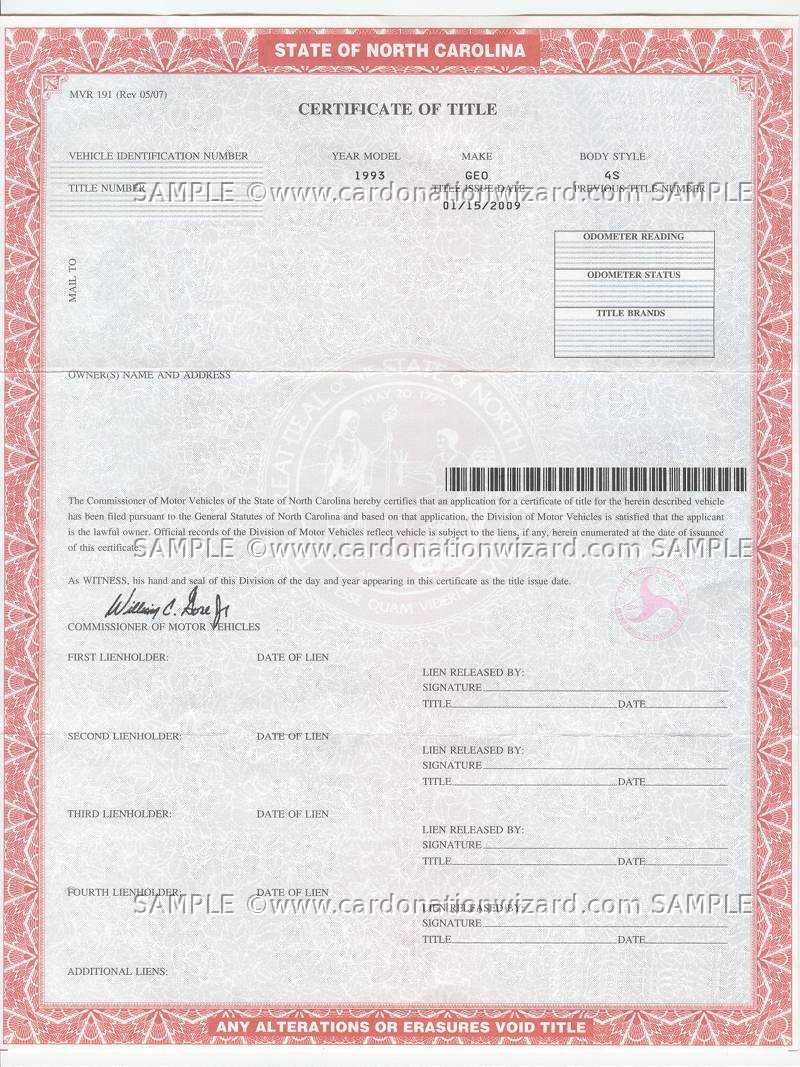
- Check the NC DMV’s title history. The physical title will show any brand in the upper right corner. A clean title shows no brand. A salvage or rebuilt title will state it clearly.
- Look for signs of major repair: mismatched paint, uneven panel gaps, overspray on trim pieces, new bolts on structural components, or fresh undercoating that seems to be hiding something.
- For used trucks specifically, ask about frame repairs. Straightened or welded frames should be disclosed and documented.
- If something feels off — the price is surprisingly low, the seller is vague about the history, the Carfax shows a gap in ownership — trust that instinct and have the vehicle independently inspected.
When a Salvage or Rebuilt Title Might Make Sense
There are situations where buying a rebuilt title vehicle is a reasonable choice — usually for buyers who understand exactly what they’re getting into:
- Cash buyers who don’t need financing and can absorb the insurance limitation
- Mechanically knowledgeable buyers who can evaluate the quality of the repair themselves
- Buyers who plan to use the vehicle for off-road or farm use where road registration isn’t the primary concern
- Buyers getting a documented, professionally repaired vehicle at a price that reflects the title brand transparently
The key word is “transparently.” The problem isn’t rebuilt title vehicles themselves — it’s when sellers obscure the history or price the vehicle as if the title were clean. A rebuilt title truck priced $8,000 below market and disclosed upfront is a different situation than one priced at full market value with the history buried.
Every Vehicle on Our Lot Carries a Clean Title
At Bells Fork Truck & Auto, every vehicle we sell carries a clean title. We don’t buy, recondition, or retail salvage or rebuilt title vehicles. It’s a straightforward policy that protects our customers from the insurance gaps, financing headaches, and hidden repair quality issues that come with branded titles.
When you buy from us at 3840 Charles Blvd in Greenville, NC, you know what you’re getting from a title standpoint — and we’ll walk you through the Carfax on any vehicle before you make a decision.
Have questions about a specific vehicle’s history or want to understand what’s on a title you’re looking at from another seller? Come by the lot or browse our current inventory at BellsForkTruckAndAuto.com. We’re happy to help you read the paperwork before you sign anything.