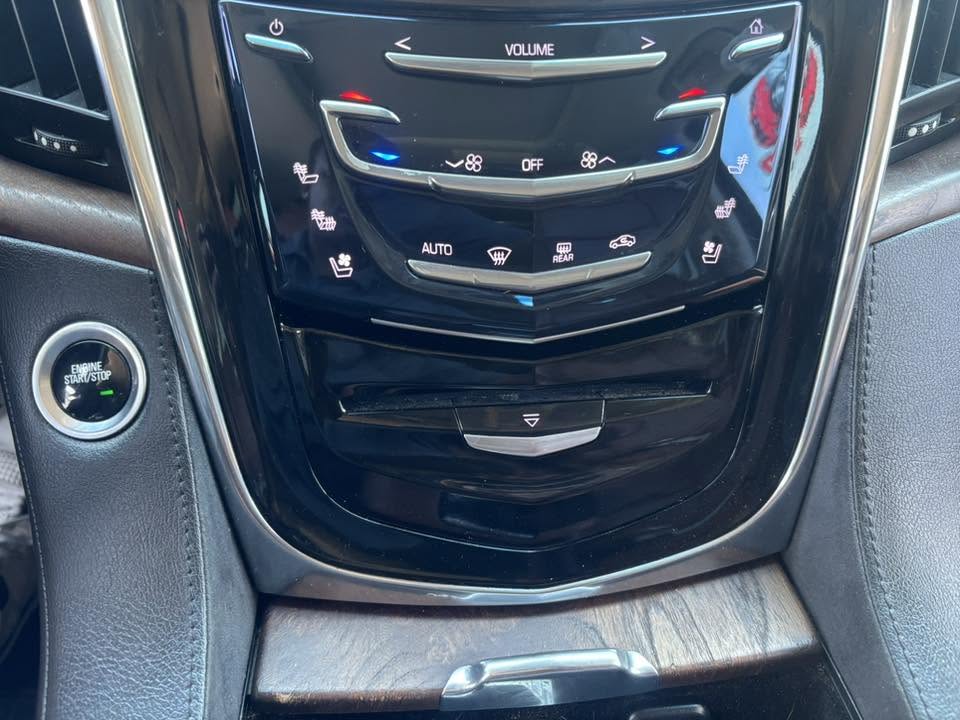
If you've lived through an Eastern North Carolina summer, you already know — the AC in your vehicle isn't a luxury. By the time July hits Greenville, a truck or SUV with weak air conditioning turns a 15-minute trip across town into a miserable one. And the parking lot at Harris Teeter in August? Your interior hits 140 degrees in under 20 minutes.
The worst time to find out your AC is on the way out is the first 95-degree day of the year, when every shop in Pitt County is booked two weeks out and you're driving home with all four windows down.
Here's what to actually check on your vehicle's AC before that day comes — and what to know if you're shopping for a used truck or SUV this summer.
The Easy First Test
Park in the shade. Start the engine. Crank the AC to max cold, fan on high, and set it to recirculate.
After about 5 minutes, the air coming out of the center vents should be cold — not "cooler than outside," genuinely cold. If you have a kitchen thermometer, hold it in front of the center vent. A healthy system in a used vehicle should pull the vent temperature down to roughly 38–48°F on a moderate day.
If it's barely cool, only cold sometimes, or starts cold and warms up after a few minutes — your system is telling you something.
Common AC Problems and What They Usually Mean
A few of the patterns we see most often in used trucks and SUVs:
The AC blows cold for a few minutes, then warm. Usually a sign of low refrigerant, often from a slow leak. The system has just enough to cool briefly until pressure drops. This is the most common AC complaint we see in summer, and it doesn't fix itself.
The AC works at highway speed but not at idle. Often a sign of weak airflow across the condenser — could be a failing cooling fan, a clogged condenser, or debris built up between the condenser and radiator. Common in trucks that work outdoors or drive a lot of dirt roads in Pitt and Beaufort counties.
Cold air on one side, warm on the other. On dual-zone climate systems, this is usually a blend door actuator — a small motor behind the dash that's gone bad. Not catastrophic, but worth fixing.
Weak airflow even with the fan on high. First thing to check is the cabin air filter. A lot of used vehicles come in with filters that look like they've been collecting Eastern NC pine pollen for three years straight. Replacing it is often a $20–40 fix that makes a huge difference.
A musty smell when you first turn the AC on. That's evaporator mold — common in humid climates like ours. Treatable, and your cabin filter being current helps prevent it.
Loud noises when the AC kicks on. A squealing belt or a clunk from the compressor area can mean the AC compressor is starting to fail. Worth getting looked at before it seizes — a failed compressor can damage other parts of the system if it sheds debris.
Things You Can Check Yourself in 10 Minutes
Before you take it anywhere, walk around your vehicle and check:
- The cabin air filter (usually behind the glove box — your owner's manual will show you). If it's gray, brown, or full of leaves, that's your first replacement.
- The condenser — the radiator-looking unit in front of your actual radiator. Look for bent fins, bug buildup, leaves, or pine straw packed into it. A gentle rinse from a garden hose (not pressure washer) from the engine side outward helps.
- The drive belt — visible cracks, glazing, or fraying means it's due.
- AC drain water under the truck after running the AC — that's normal and a good sign. No water under the truck after a long AC run can mean a clogged drain, which leads to water inside your cab.
When to Take It to a Shop
If the easy checks don't fix it, AC work past the cabin filter generally needs proper equipment — a manifold gauge set, vacuum pump, refrigerant recovery machine, and the right refrigerant type for your vehicle (R-134a on older vehicles, R-1234yf on most newer ones).
"Just adding a can of refrigerant from the parts store" sometimes works as a temporary patch, but it can also mask a leak, overfill the system, or use the wrong refrigerant for your vehicle — all of which can make the eventual repair more expensive. If your AC is low, it's low because something is letting it out, and finding that is the actual fix.
Buying a Used Truck or SUV in Summer? Test the AC First.
If you're shopping for a used vehicle in Greenville right now, the AC test should be one of the very first things you do — not the last.
When you test drive anything on our lot at Bells Fork Truck & Auto, here's what to do:
- Before you even start it up, ask when the vehicle was last checked for AC performance
- Start it cold, set the AC to max, and note how long it takes to feel genuinely cold air
- Pay attention to all the vents, not just the driver's side
- Try the AC at idle in the lot and while driving on the road
- Try the rear AC controls if it's a larger SUV with second-row climate
- Listen for unusual noises when the compressor cycles on and off
A vehicle that cools strong and fast in the Eastern NC heat is a vehicle that's been taken care of. A vehicle with weak AC in May has weak AC the rest of the summer too.
One More Thing: Tint and Sun Exposure
This isn't AC repair, but it's AC reality in Eastern NC. A used truck or SUV with:
- Factory or aftermarket window tint
- An intact sunshade
- Light-colored seats (vs. dark)
- A working sunroof shade
...will feel dramatically cooler on a 92-degree Greenville afternoon than the same vehicle without those, even with identical AC performance. When you're comparing two trucks on our lot, those small things matter more than you might think for daily comfort.
Need Help Getting Your AC Summer-Ready — Or Shopping for a Vehicle With Cold AC From Day One?
Whether you've got a vehicle that needs a real look, or you're shopping for a used truck or SUV that's going to keep you cool from Greenville to the coast and back, come see us at Bells Fork Truck & Auto.
We test every vehicle on our lot for AC performance before it goes up for sale, and we'll tell you honestly what's been done to it and what to expect. If you're not sure yours is ready for the summer ahead, stop in. We're right here in Greenville, NC, serving drivers across Pitt, Beaufort, Lenoir, Craven, and the rest of Eastern North Carolina.
Don't wait until the first 95-degree day to find out.